Top 10 Underrated Harry Styles Songs
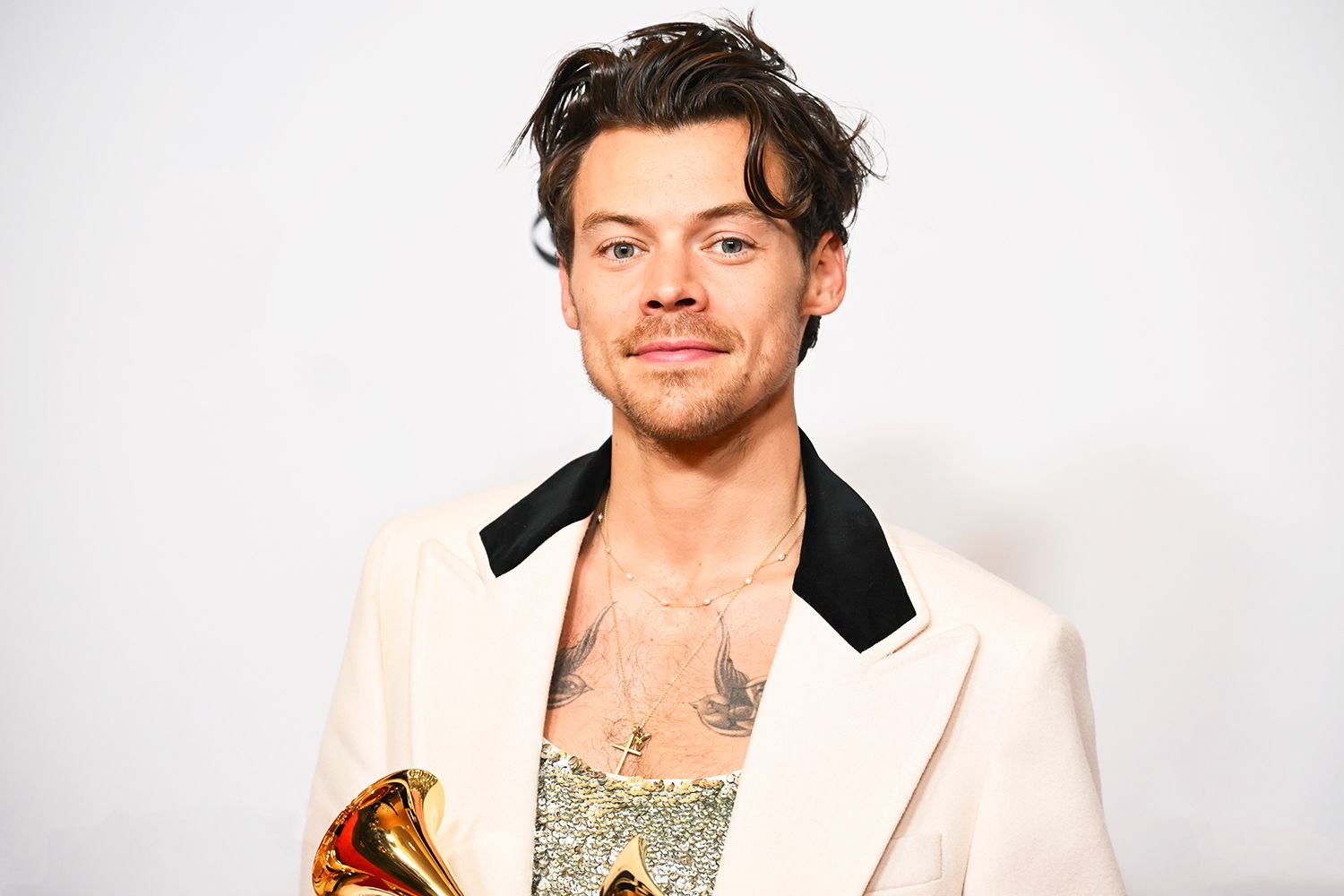
Courtesy of @People; Credit: Press
Harry Styles buries his most emotionally raw work in album deep cuts: six-minute orchestral closers, psychedelic dub experiments, acoustic confessions that prioritize vulnerability over streaming optimization. While radio champions "Watermelon Sugar" and "As It Was," Styles reserves his most creatively ambitious material for full album listens, where commercial pressure dissolves. Critics have identified his defining quality as "the ability to tap into this liminal space between intimacy and detachment," creating music that is both personal and distant.
These tracks reveal Styles at his most mysterious: grappling with grief by sampling ex-girlfriend voicemails to document heartbreak and spiraling into galactic storms of sci-fi production. In deep cuts from Harry Styles, you’ll discover sophisticated production and lyrical depth that streaming algorithms bury beneath his commercial singles. Follow along as we examine the most underrated Harry Styles songs through his discography.
1. Fine Line
Fine Line represents Styles' most accomplished artistic statement, a six-minute emotional marathon that builds from Bon Iver-style minimalism into a swelling catharsis. Critics described the track emerging "from a darkly beautiful haze into a big, semi-hopeful, brass-and-martial-drums finish." Despite anchoring an album that reached ~11 billion streams, the namesake closer from his 2019 sophomore album never received promotion as a single.
The production builds a patient tension as sparse acoustic guitar and falsetto gradually surrender to orchestral maximalism. Strings swell beneath drum patterns as Styles' voice cracks under the weight of earned optimism. It's the sound of someone choosing hope, despite every instinct screaming otherwise.
Best Moment: The final ninety seconds transform introspective folk into a stadium-suited anthem as Styles repeats "we'll be a fine line; we’ll be alright" like a mantra he's convincing himself to believe.
2. From the Dining Table
This acoustic closer prioritizes raw emotional excavation over commercial calculation. The closing track of Styles' 2017 self-titled debut strips production to bare essentials: voice, guitar, and uncomfortable silence. Critics called it "the only song on the album that invites you to consider what it must be like to be Harry Styles," praising its "frank and economic" writing.
The dining table functions as a geographic anchor for post-breakup isolation. Styles doesn't wallow in abstract heartbreak but instead grounds his pain in domestic specificity: waking up alone, playing with food, checking phones for messages that won't arrive. Styles described making his debut album as "like therapy" in a 2017 interview, noting that "It's so much easier saying something to an instrument than it is to a person."
Best Moment: The bridge, where Styles admits "Maybe one day you'll call me and tell me that you're sorry too," vulnerability without victimhood, accountability without self-punishment.
3. Satellite
Satellite marks Styles' most sonically adventurous work, a galactic storm of sci-fi bleeps and electronic drones that critics called "musically one of the most interesting songs Styles has made so far." From Harry's House (2022), the track abandons his typical 70s rock foundation for otherworldly textures. Production "swirls into a galactic storm in its final throes" with "sci-fi bleeps drift across electronic drones," creating soundscapes rarely heard in mainstream pop.
The track demonstrates Styles' willingness to embrace experimental impulses when freed from single obligations. While Styles revealed to Apple Music that he had nearly finished the album while preparing for the Fine Line tour, "Satellite" shows an artist unafraid to prioritize artistic curiosity over commercial formulas.
Best Moment: The final minute dissolves into cosmic chaos, layered vocals fragmenting beneath synthetic swells as the entire arrangement spirals into zero gravity.
4. Sunflower, Vol. 6
This psychedelic deep cut blends sitar, South African mbaqanga guitar, and dub mixing into production sophistication rarely attempted in mainstream pop. From Fine Line, the track showcases global musical influences: Greg Kurstin's electric sitar collides with township jazz guitar and reggae skank rhythms, creating what one critic described as "trippy dub-wise romance."
The "Vol. 6" designation functions as narrative shorthand, suggesting this is the sixth iteration of a recurring relationship pattern. The track traces cyclical romance from initial longing through emotional fizzling to inevitable repetition. Beach Boys-style vocal harmonies layer beneath production that nods to Vampire Weekend's genre-blending approach, grounding psychedelic experimentation in pop accessibility.
Best Moment: The bridge, where harmonies stack into dizzying heights while the sitar line snakes through dub-delayed guitar, creating controlled chaos that mirrors emotional confusion.
5. Canyon Moon
Canyon Moon demonstrates Styles' talent for anchoring universal longing in geographic specificity. The track combines Fleetwood Mac guitar jangle with sunny, Screamadelica-indebted production. Critics noted it shows "glimpses of the sort of intimate connection Styles hopes to forge," while Setlist.fm data confirms its cult status through consistent live performance alongside promoted singles.
The canyon moon isn't just poetic imagery but specific geographic memory. Styles doesn't sing about missing "someone" but about missing "you in Canyon Moon light," temporal and spatial specificity that transforms generic longing into personally directed ache. This approach of anchoring abstract emotions to physical locations creates intimacy that distinguishes the track from typical pop yearning.
Best Moment: The opening guitar riff, bright and urgent, immediately establishes the sonic template Styles will spend the next three minutes perfecting.
6. To Be So Lonely
To Be So Lonely delivers self-aware vulnerability through dry wit, acknowledging culpability while processing jealousy after being replaced. The song's emotional power lies in its refusal to wallow in victimhood. Styles observes his loneliness with ironic detachment, surprised by the feeling rather than consumed by it. The title itself employs understatement as rhetorical device, creating space for listeners to recognize both personal accountability and emotional pain simultaneously.
The track distinguishes itself through tonal complexity. Styles doesn't claim unbearable suffering but rather notes the strange experience of isolation with almost academic curiosity. This "dry wit" creates emotional nuance that typical heartbreak narratives avoid, allowing multiple conflicting feelings to coexist without resolution.
Best Moment: The opening admission, "Don't call me baby again," delivered with enough sting to reveal genuine hurt beneath the detached delivery.
7. Ever Since New York
Ever Since New York transforms personal grief into medicinal metaphor, processing family trauma through pharmaceutical imagery. Styles confirmed at a private show that he wrote this track about "bad news he got about a family member when he was in a hotel in Brooklyn, New York." The song addresses his stepfather Robin Twist's cancer diagnosis through the central lyric: "There's no antidote / For this curse."
The pharmaceutical language operates on multiple levels simultaneously. It functions as literal commentary (no medical cure existed for his stepfather's cancer), metaphorical expression (no remedy for grief), and temporal marker (the curse began in New York, creating an emotional dividing line between before and after). This medicinal imagery represents a consistent lyrical strategy across multiple Styles songs for processing loss.
Best Moment: The bridge repetition of "Tell me something I don't already know," frustration bleeding through the melody as Styles confronts the helplessness of terminal diagnosis.
8. Cherry
Cherry captures Styles at his most petty and vulnerable, refusing heroic posturing in favor of uncomfortable emotional honesty. The track combines jangling guitars with psychedelic production: clattering riffs collide with harmonica lines beneath hazy reverb. Styles explained the song's authenticity in a 2019 interview: "Cherry is about… I wanted it to reflect how I felt then. I was feeling not great. It's all about being not great. Because, you get petty when..."
This frank admission of feeling "not great" and getting "petty" distinguishes the track from typical male pop star heartbreak narratives. The song notably includes a voicemail from ex-girlfriend Camille Rowe speaking in French, blurring the line between performance and documentary-style personal revelation. This use of actual audio creates authenticity that elevates the track beyond standard breakup songwriting, grounding abstract emotion in tangible memory.
Best Moment: The voicemail outro, where Rowe's French dialogue plays without translation, intimate and exclusionary, making listeners feel like voyeurs accessing private memory.
9. Matilda
Matilda demonstrates emotional generosity rare in contemporary pop, with Styles writing outside his own experience to offer comfort to those navigating family estrangement. The folk-influenced ballad from Harry's House creates warmly welcoming reassurance for listeners processing complicated family relationships. The track represents Styles helping "the titular hero sort through the ambivalence that comes with entering adulthood on your own."
The production strips to acoustic essentials, forcing focus on lyrical empathy and vocal warmth. Unlike more self-centered songwriting, "Matilda" looks outward, acknowledging that sometimes choosing yourself means leaving family behind. The song offers permission and comfort without judgment, showing Styles' expanding emotional range beyond personal confessional writing.
Best Moment: The repeated assurance "You can let it go," delivered with gentle conviction that transforms simple phrase into emotional permission slip.
10. Sweet Creature
Sweet Creature established Styles' approach to intimate songwriting through minimal instrumentation that forces focus on vocal performance and lyrical craft. Critics observed this debut album track catches "Styles taking a crack at his very own version of 'Blackbird,'" while noting "a touch of echo in his voice, a touch of Jimmy Page in the acoustic guitar."
The folk-influenced intimacy prioritizes emotional honesty over commercial calculation. Just acoustic guitar and voice, no production tricks to hide behind. The vulnerability comes not from confessional lyrics but from sonic exposure: every breath, every vocal crack, every finger slide on guitar strings rendered audible and human.
Best Moment: The opening lines, delivered with such unguarded tenderness that the entire arrangement feels like eavesdropping on private conversation.
Discover More
Harry Styles' album deep cuts reveal an artist who buries his most vulnerable and experimental work where only dedicated listeners will find it. These tracks demonstrate that the most interesting pop music is often hiding in plain sight, waiting for discovery beyond algorithm optimization.
Explore more overlooked music through our curated lists.
Follow us on Instagram and TikTok for daily music recommendations.
